Among the small pile of books pictured is food historian C. Anne Wilson's wonderfully informative gem, The Book of Marmalade (2010). It's my go-to for historical checks. A more recent purchase, The Little Book of Marmalade by Lucy Deedes (2023), offers plenty of delightful recipe inspiration at this time of year, when citrus fruits are at peak ripeness and gorgeousness. Marmalades are having a moment, with a new generation of fans discovering their vibrant flavours, colours and diversity of ingredients. So, grab a cuppa and settle back in a comfy chair with this month's newsletter devoted to the enjoyment of marmalade.
‘The important thing is not to stop questioning. Curiosity has its own reason for existing.’ Albert Einstein.
Cathy x

When summer slips away and the leaves begin to fall, quinces are readying their magic powers
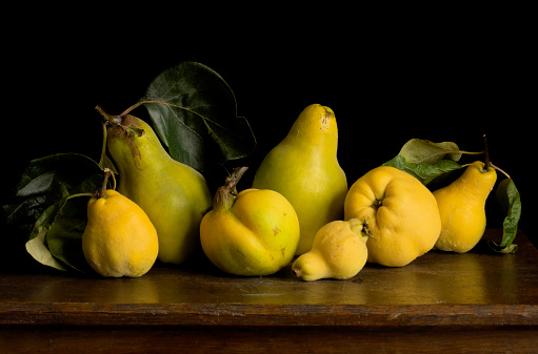
It’s a fruit with personality: voluptuous, sensual, golden, fragrant, sublimely aromatic, and oh so versatile. It’s true that they aren’t much fun to eat raw … but the wow factor comes during cooking: Quince + sweetener + heat + time = heaven on a spoon. Pure alchemy.
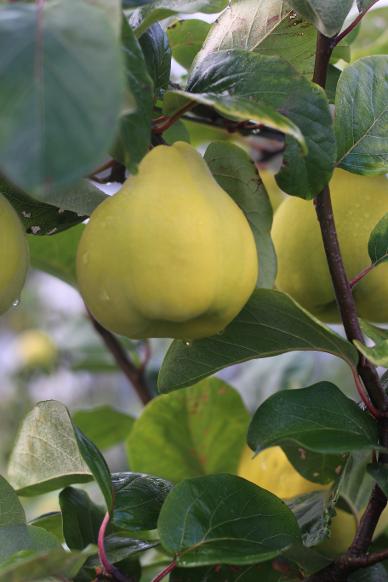
Though related to apples and pears - which you can tell by their shape - they are botanically different. Their fancy name is Cydonia oblonga; one that shouts back to ancient Greece where the very best quinces in the world were grown in Kydonia, on the island of Crete.
All 16 known quince varieties currently in Australia are growing in the Quince HQ orchard.
The Quince HQ orchard was established in 2013. All sixteen varieties of quince trees have since been sourced from three specialist heritage fruit tree nurseries in Tasmania and Victoria:

Cathy Hughes
0428 720 728
magic@quincehq.com.au
Mon - Fri
9:00 am - 5:00 pm
Back to: Explore/Contact Us - Newsletter - FAQs
© Quince HQ 2026
Website designed by Cate Bell Art Design